Source Monocrystalline Silicon 700W Solar Panel for Industrial, Light Industry, and Middle East Markets
Find 30 available options for the Monocrystalline Silicon 700W Solar Panel suitable for industrial and light industry applications. Buyers can compare specifications, certifications, and warranty terms from verified Chinese manufacturers offering OEM/ODM services.
Key considerations
Products List


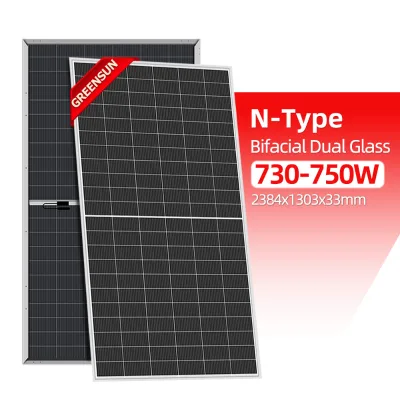


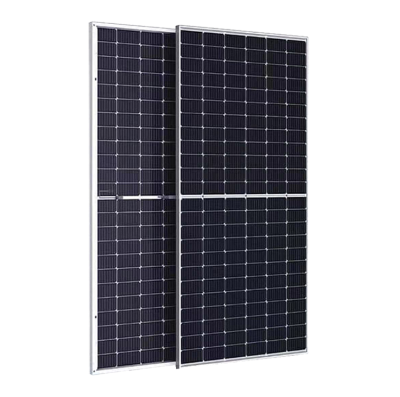
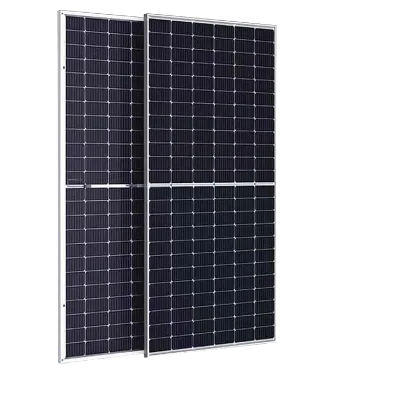
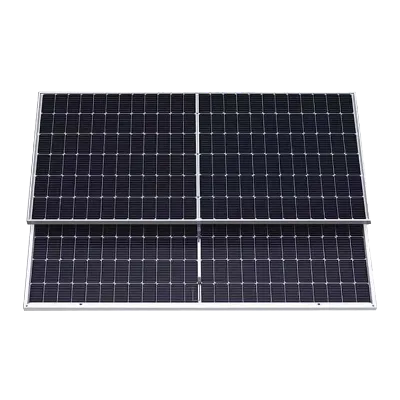
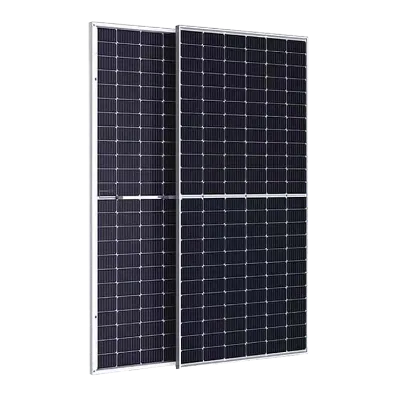

Comprehensive Sourcing Guide
Strategic Sourcing Guide for Monocrystalline Silicon 700W Solar Panel Procurement
Procuring high-wattage photovoltaic modules, specifically targeting monocrystalline silicon technology in the 700W class, requires a rigorous approach that balances technical performance with supply chain reliability. The global market for solar energy has shifted toward higher power outputs to reduce the balance-of-system costs per watt, yet the specific attributes of a 700W module demand careful verification. Buyers must navigate a landscape where product specifications vary significantly between manufacturers, and where the distinction between different silicon types and cell configurations is critical for long-term project viability. This guide outlines the essential factors for sourcing these advanced solar panels, drawing on observed market data and technical requirements to ensure a robust procurement strategy.
Technical Specifications and Silicon Architecture
The core of any solar panel procurement lies in understanding the material science and architectural design of the module. In the current market, monocrystalline silicon remains the preferred material for high-efficiency applications due to its superior electron mobility and space-saving potential compared to polycrystalline alternatives. When sourcing a 700W unit, buyers should expect a configuration that utilizes a high cell count to achieve the necessary power output. Observed market data indicates that modules often come in configurations ranging from 36 to 72 cells, with the specific count depending on the cell size and interconnection method used by the manufacturer.
For a 700W monocrystalline module, the physical dimensions are substantial. While standard sizes vary, buyers should verify that the module dimensions align with the structural constraints of their mounting systems. The frame is typically constructed from anodized aluminium alloy, providing the necessary rigidity to withstand mechanical loads. A critical specification to verify is the load-bearing capacity; industry observations suggest that robust modules can withstand wind loads up to 2400Pa and snow loads up to 5400Pa. Additionally, the operating temperature range is a vital technical parameter, with reliable units designed to function effectively between -40°C and +85°C. This wide range ensures performance stability in diverse climates, from arid deserts to cold, snowy regions.
Another key technical attribute is the power tolerance. High-quality monocrystalline modules often feature a positive power tolerance, such as a range of 0 to +3%, ensuring that the actual output meets or exceeds the rated capacity. The physical construction also includes specific packing standards, often utilizing pallets or containers for bulk shipping, which must be compatible with the logistics chain. Buyers should also note that while some products may list specific wattages like 60W, 70W, or 80W, the 700W class represents a distinct tier of industrial-grade equipment, often requiring custom configurations or specific model numbers like the JYSOLAR series or similar industrial models.
Compliance and Certification Verification
In the B2B solar sector, compliance is not merely a formality but a prerequisite for market access and insurance validity. When sourcing monocrystalline silicon panels, buyers must demand comprehensive certification documentation. The most frequently observed certifications in the market include CE and ISO standards, which indicate conformity with European safety and quality management systems. Furthermore, specific regional certifications such as CB and EST may be required depending on the destination market, particularly for projects in the Middle East or other international zones.
The absence of these certifications can lead to significant legal and financial risks, including the rejection of shipments at customs or the voiding of performance warranties. Buyers should verify that the supplier can provide valid, up-to-date certificates for each batch of products. It is important to distinguish between general ISO certifications and specific product testing standards. While general industry knowledge often references standards like IEC 61215 for performance qualification, buyers must confirm that the specific product documentation explicitly lists the applicable standards. Relying on implied compliance is risky; the procurement contract should explicitly state that the product meets all required local and international safety and performance standards.
Additionally, the warranty terms serve as a proxy for the manufacturer's confidence in their product's longevity. Observed warranty periods for high-quality industrial modules range from 20 to 25 years, with some lower-tier products offering less than five years. A 25-year warranty is a strong indicator of a Tier 1 manufacturer, suggesting that the product has undergone rigorous testing and is backed by a financially stable entity. Buyers should scrutinize the warranty terms to understand what is covered, such as power output degradation rates, and ensure that the warranty is transferable if the property is sold.
Cost Drivers and Pricing Dynamics
Understanding the cost structure of 700W monocrystalline solar panels is essential for budgeting and negotiation. The price of these modules is influenced by several factors, including the cost of raw silicon, manufacturing complexity, and the scale of the order. The observed market price range for solar products is broad, spanning from $0.07 to $80 per unit, reflecting the vast difference between small, low-wattage components and large-scale industrial modules. For a 700W unit, the price will likely be at the higher end of this spectrum, driven by the increased material usage and advanced cell technology.
The Minimum Order Quantity (MOQ) is another significant cost driver. Market data indicates that MOQs can range from 10 units to 100,000 units. For a 700W industrial project, buyers will likely need to meet a higher MOQ to secure the best per-unit pricing. Negotiating a lower MOQ might result in a higher unit cost, which can significantly impact the total project budget. Buyers should also consider the delivery time, which typically ranges from 30 to 45 days. Longer lead times may require earlier planning and potentially higher inventory carrying costs, while expedited shipping options could increase the overall expense.
Furthermore, the origin of the product plays a role in pricing. Most high-volume solar manufacturing is concentrated in China, which offers competitive pricing due to economies of scale and supply chain efficiency. However, buyers must factor in shipping costs, tariffs, and import duties, which can vary significantly by destination. The terms of transfer, such as shipping by sea or air, also impact the final landed cost. Sea freight is generally more cost-effective for large volumes but requires longer lead times, whereas air freight is faster but substantially more expensive.
Typical Applications and Market Segmentation
The 700W monocrystalline solar panel is designed primarily for industrial and large-scale commercial applications rather than residential use. The high power output makes these modules ideal for utility-scale solar farms, where maximizing energy generation per square meter is crucial for economic efficiency. In industrial settings, these panels can power large manufacturing facilities, data centers, or agricultural operations that require significant and consistent energy inputs. The durability and high load-bearing capacity of these modules make them suitable for installation on large rooftops or ground-mounted structures in harsh environments.
Market segmentation also plays a role in product selection. For instance, products targeting the Middle East market may have specific design features to withstand high temperatures and sandstorms. Buyers should ensure that the selected modules are optimized for their specific geographic location. The application field, whether light industry or heavy industrial, dictates the required performance metrics. Industrial applications often demand a Tier 1 product with a 25-year warranty, whereas light industry projects might accept slightly lower specifications if the budget is constrained.
The customization options available in the market allow buyers to tailor the product to their specific needs. Features such as OEM/ODM services enable companies to brand the panels with their own logos or modify the electrical specifications to match their inverter systems. This flexibility is particularly valuable for large projects where standard off-the-shelf products may not perfectly align with the system design. Buyers should leverage these customization options to optimize the integration of the solar panels into their existing infrastructure.
Supplier Evaluation and Quality Control
Selecting the right supplier is perhaps the most critical step in the procurement process. Buyers should prioritize suppliers who demonstrate a commitment to quality through their certifications, warranty terms, and production capabilities. A supplier with a "Factory: Yes" designation indicates direct manufacturing control, which often translates to better quality assurance and more responsive communication. In contrast, trading companies may offer a wider range of products but might lack the technical depth to support complex industrial projects.
Quality control measures should be a central part of the supplier evaluation. Buyers should request detailed test reports and performance data for the specific models they are considering. While specific test results may not always be publicly available, the supplier should be willing to share third-party verification documents. The presence of a 25-year warranty is a strong indicator of a supplier's confidence in their quality control processes. Additionally, buyers should verify the supplier's ability to handle large orders, as indicated by their MOQ and delivery time capabilities.
The supplier's location and logistics capabilities are also important factors. Most high-quality solar panels originate from China, but buyers should ensure that the supplier has a robust logistics network to handle international shipping. The terms of transfer, such as shipping by sea or air, should be clearly defined in the contract. Buyers should also consider the supplier's experience in the target market, as local knowledge can help navigate regulatory hurdles and ensure compliance with local standards.
Long-Term Procurement Considerations
Sourcing 700W monocrystalline solar panels is a long-term investment that requires careful planning for the entire lifecycle of the project. Buyers should consider the potential for future expansion and the scalability of the supply chain. A supplier that offers consistent quality and reliable delivery times is essential for maintaining project timelines and avoiding costly delays. The warranty terms should be reviewed to ensure they cover the entire lifespan of the project, including any potential degradation in performance over time.
Environmental and sustainability factors are also becoming increasingly important in procurement decisions. Buyers should verify that the manufacturing process adheres to environmental standards and that the supplier has a plan for end-of-life recycling. The use of monocrystalline silicon is generally more energy-efficient than polycrystalline alternatives, but the overall carbon footprint of the supply chain should be considered. Additionally, buyers should evaluate the supplier's commitment to innovation and their ability to adapt to changing market conditions, such as shifts in technology or regulatory requirements.
Finally, the financial stability of the supplier is a key consideration. A financially stable supplier is more likely to honor warranties and provide support throughout the life of the product. Buyers should conduct due diligence on the supplier's financial health, including their credit rating and history of business operations. By taking a comprehensive approach to supplier evaluation and long-term planning, buyers can ensure a successful procurement experience that delivers value and reliability for years to come.
FAQs
What certifications do monocrystalline silicon solar panels typically have?
These panels typically hold CE and ISO certifications. Some models also include CB and EST certifications depending on the target market, ensuring compliance with international safety and quality standards for industrial applications.
How long is the warranty period for industrial solar modules?
Industrial modules often come with a 25-year warranty. Lower-tier products may offer less than five years, while high-quality Tier 1 manufacturers provide extended coverage to guarantee long-term performance stability.
Can I customize the solar panel specifications for my project?
Yes, customization is available for most industrial solar panels. Buyers can request OEM or ODM services to tailor the product to specific needs, including branding and electrical configuration adjustments.
What is the typical delivery time for solar panel orders?
The standard delivery time ranges from 30 to 45 days. This lead time applies to bulk orders and allows for proper manufacturing and quality control processes before shipment from the factory.
Which silicon material is used in high-efficiency solar panels?
High-efficiency panels primarily use monocrystalline silicon material. This material offers superior electron mobility compared to polycrystalline alternatives, making it ideal for industrial applications requiring maximum power output per unit area.
What are the maximum wind and snow load capacities?
Robust modules can withstand wind loads up to 2400Pa and snow loads up to 5400Pa. These structural ratings ensure durability in harsh environments, including arid deserts and cold, snowy regions.